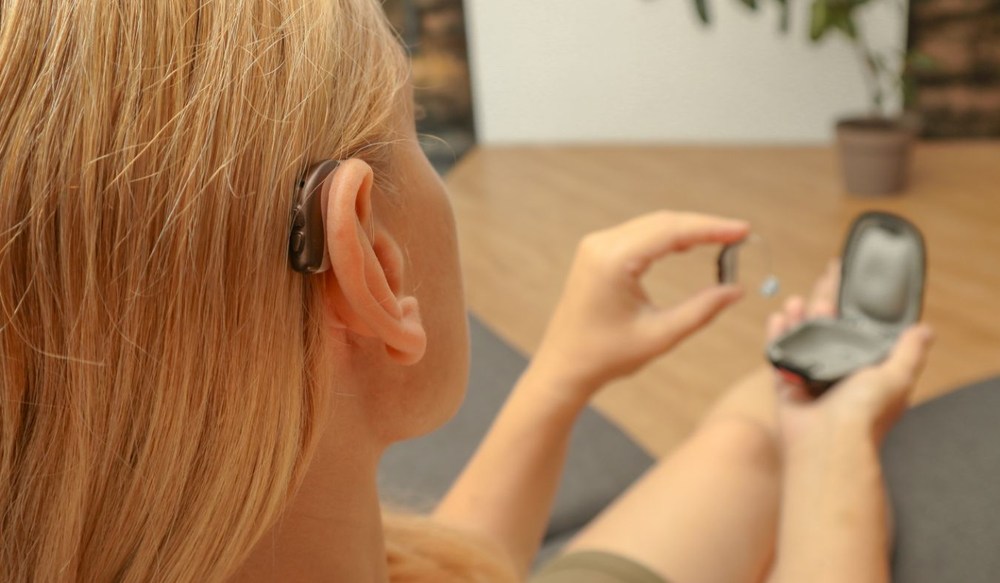
If your summer includes regular trips to Town Neck Beach or a swim in the canal, you already know Cape Cod water is not always warm or calm. Getting in and out past the canal current takes some effort.

A choppy day on the bay makes it worse, and water ends up in your ears more than you would expect. Most people towel off, shake their head once or twice and move on with the day. That’s usually the end of it, until it is not.

Water that stays trapped in your ear canal does not always announce itself right away. It can sit there quietly for hours before that muffled feeling shows up. Left alone, it can also turn into the kind of damp setup where infection starts.

You may not notice the water right away. Sometimes the ear does not start feeling blocked or uncomfortable until well after you have changed and moved on with your day.

Why Water Gets Trapped in Your Ear

Your ear canal has a natural S-shaped curve that helps protect the deeper parts of your head. This unique shape keeps debris out and protects your sensitive eardrum from harm.

The ear also produces cerumen, which most people know as common earwax. This sticky substance traps dust and moves slowly outward to clean the canal. Normal jaw movements from chewing or talking help push this wax out naturally.

While these features do a great job protecting you, they can sometimes cause problems after a swim. The same curves that keep dirt out can easily trap water inside the canal. If you have a buildup of earwax, it can act like a sponge and absorb the moisture.

This combination creates a tight seal that stops the water from draining out on its own. When fluid stays trapped for too long, it creates a damp space that causes irritation.

Signs of Trapped Water in Your Ear

Water does not always drain from the ear right away after swimming or showering. Sometimes you may not notice anything until later, when your ear starts to feel different or sounds seem slightly off.

Common signs of trapped water include:

  • Hearing that sounds muffled, hollow or a little like you are underwater
  • Popping or crackling when you swallow, yawn or move your jaw
  • A feeling that something is shifting inside your ear when you tilt your head
  • Fullness or pressure that does not go away after a few minutes
  • Mild itching or irritation inside the ear canal

How Trapped Water Can Lead to an Ear Infection

The skin inside the ear canal has a natural protective layer. When water stays trapped for too long, that skin can become soft and irritated. Small cracks may develop, making it easier for bacteria or fungi to get into the skin.

The ear canal is also warm and dark, which gives germs a good place to grow when moisture is present. That is how trapped water can lead to swimmer’s ear, an infection of the outer ear canal.

As the infection develops, the ear may become more painful, swollen or itchy. What begins as a little water left behind after swimming can turn into a much more uncomfortable problem if the moisture does not clear.

Safe Ways to Drain Water From Your Ear

If water feels trapped in your ear, gravity is usually the best place to start. Tilt your head so the affected ear faces down, then gently pull the earlobe down and back. This can help straighten the ear canal enough for the water to move toward the opening.

You can also lie on your side with the affected ear resting on a clean, soft towel. Stay in that position for a few minutes and give the water time to drain. Moving your jaw by chewing or yawning may also help shift moisture that is sitting inside the canal.

Around Cape Cod, swimming, boating and long beach days can mean repeated exposure to water throughout the summer. Even after you dry off, a small amount may remain in the ear canal.

Taking a few minutes to let it drain can help prevent that moisture from sitting there for the rest of the day. Stick with gentle movements and give the ear time to clear on its own.

When Drying Drops May Help

If water still feels trapped after you have tilted your head and given it time to drain, an over-the-counter drying drop may help.

These products are made to help moisture evaporate from the ear canal more quickly. Some contain isopropyl alcohol, while others include ingredients such as glycerin to reduce dryness or irritation.

Drying drops can be useful after swimming, especially for people who often feel like water lingers in their ears. Always follow the directions on the package and use only the recommended amount.

Don’t use drying drops if you have ear tubes, a hole in your eardrum or a history of eardrum perforations. You should also avoid them if you have ear pain, drainage or signs of an infection unless a medical professional has told you they are safe.

Keep the bottle at room temperature and store it where children cannot reach it. If the drops cause burning, dizziness or worsening discomfort, stop using them.

Why Cotton Swabs Can Make Things Worse

When water feels stuck in your ear, a cotton swab may seem like the quickest way to dry it out. The problem is that swabs usually do not reach the water in a helpful way. They are more likely to push moisture and earwax farther into the canal.

Using a cotton swab can:

  • Move trapped water deeper into the ear instead of helping it drain
  • Pack earwax into a tighter blockage
  • Scratch the skin inside the ear canal
  • Injure the eardrum if the swab goes in too far

It is better to dry only the outside of the ear with a soft towel and let gravity do the rest. If the ear still feels blocked, avoid digging at it and have it checked by a hearing specialist.

Drying Children’s Ears After Swimming

Children’s ears are still developing, and their ear canals are smaller than an adult’s. The passageways that help fluid move through the ear are also shorter and sit more horizontally. That can make it easier for water to linger after swimming.

The tricky part is often getting a child to stay still long enough for the water to drain. Keep it simple. Dry only the outside of the ear with a soft towel, then have your child tilt their head so the wet ear faces down.

You can make the process easier by turning it into part of the post-swim routine. Ask them to hold the position while you count slowly or sing a short song. Avoid putting cotton swabs or fingers into the ear, even if they say it still feels wet.

If the ear continues to feel blocked or starts to hurt, it is better to have it checked than to keep trying to clear it at home.

Steps to Take Before You Go Swimming

The easiest way to deal with trapped water is to keep it from getting into the ear canal in the first place. A little preparation before swimming can make a noticeable difference, especially for people who spend a lot of time in the water.

Before you get in, consider:

  • Wearing swim plugs that fit securely and are made to keep water out
  • Using custom swimmer’s plugs if standard earplugs tend to slip, leak or feel uncomfortable
  • Pulling a well-fitting swim cap over your ears for another layer of protection
  • Checking that your earplugs are seated properly before you start swimming

When to See a Specialist

Water in the ear shouldn’t keep getting worse. If the ear becomes painful, swollen or starts draining fluid, the problem may have developed into an infection. At that point, drying methods and over-the-counter drops are no longer the right approach.

A specialist can look inside the ear canal and see whether there is swelling, impacted earwax, a scratch or an infection. That matters because each problem needs a different type of care. Trying to keep treating it at home can make the irritation worse or delay the treatment you actually need.

You should also seek care if the pain is strong, your hearing drops suddenly or the area around the ear becomes red and tender. A fever or foul-smelling drainage can mean the infection is becoming more serious and should be addressed promptly.

Keeping Your Ears Healthy After Every Swim

A little extra care after every swim goes a long way toward keeping your ears clear through the summer. Most of the time, drying them properly is all it takes to avoid that trapped, muffled feeling.

But if your ears still feel full or sound off days later, that’s not something to just wait out. It could mean water is still trapped, or it could be the start of an infection. Coastal Hearing Clinic in Sandwich, MA can take a look and figure out what is actually going on. Give us a call at (774) 445-6655 if your ears are not back to normal.