
How to Properly Dry Your Ears After Swimming
If your summer includes regular trips to Town Neck Beach or a swim in the
By: Cyndi Connolly | January 19, 2026
When you first get hearing aids, one of the biggest questions on your mind is probably how long it will take before they feel normal. It’s a fair question, but the honest answer is that it’s different for everyone.
Some people put their devices in and feel comfortable within a few days. Others need weeks or even a couple of months before everything clicks into place.
The adjustment period isn’t just about getting used to wearing something in your ears. It’s about your brain relearning how to process sounds you haven’t heard clearly in a while, or sounds you’ve never heard at all if your hearing loss has been gradual.
It’s a lot to manage at once, and it’s completely reasonable to feel a mix of hope about hearing better and frustration about the learning curve. The process is real, but it does get easier as your brain catches up and you settle into a rhythm with your devices.
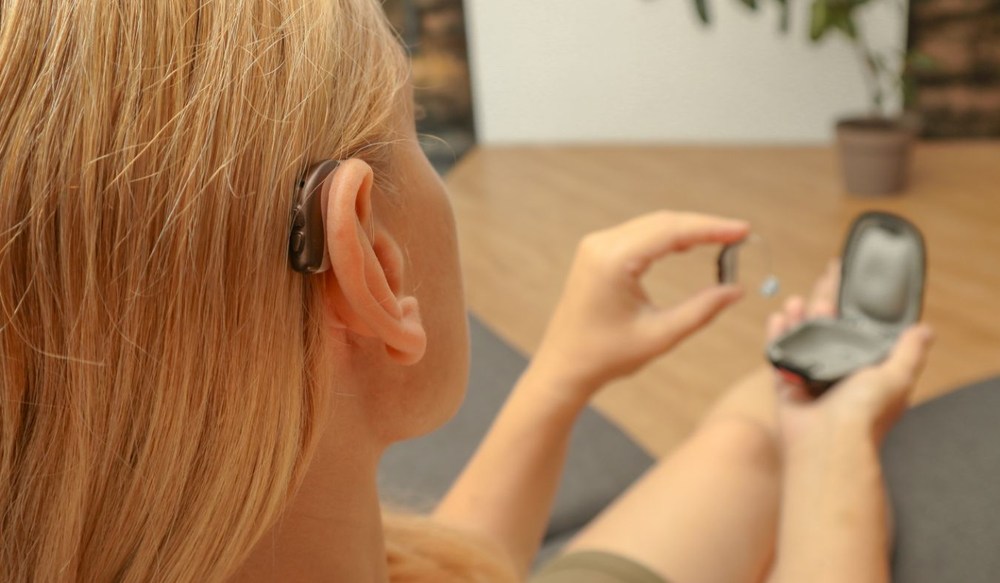
Different hearing aid styles can influence how quickly you feel comfortable wearing and using them. Some styles sit behind the ear, while others fit inside the ear canal, and each feels different at first.
The way a device rests on your ear, how it handles sound and how noticeable it feels during daily activities can all affect your early experience. We often find that comfort, ease of handling and how natural voices sound play a big part in how smooth the adjustment feels during the first few weeks.
Your daily routines also matter when it comes to style and adjustment. If you are active, talk on the phone often or move between quiet and busy spaces, certain styles may feel easier to get used to than others.
That does not mean one style is better overall, but that the right match can reduce frustration while you adapt. When we choose a style that fits how you live and listen, the adjustment period often feels more manageable and less overwhelming.
In the first few days with your new hearing aids, everyday sounds like footsteps, running water or your own voice may seem louder or sharper than you remember. This happens because your ears and brain are now picking up sounds that may have been missed for some time.
These changes usually settle as your brain adjusts. Many people have questions during this time, like how long it will take to feel comfortable, why some sounds seem unusual or whether it is normal for your own voice to sound different. You might also wonder if you should wear your hearing aids all day right away. Regular follow-up visits with your specialist allow for adjustments based on your experiences and feedback. With patience and consistent use, comfort and clarity typically improve in a variety of situations.
When you begin using hearing aids, your brain receives sounds it may not have heard clearly for a while. This can feel strange or even tiring at first, as your brain works to interpret these new signals.
Your brain gradually learns which sounds are important and which can be ignored. Everyday noises like the hum of a refrigerator or paper rustling may seem more noticeable until your brain relearns how to filter them out.
With regular use, listening skills improve as your brain becomes more skilled at understanding speech and background sounds. The process is unique for everyone, but steady practice helps most people adjust over time.
Hearing aids can make listening throughout the day clearer and less tiring. Many people notice that both quiet and loud sounds become easier to hear.
Some common changes include hearing speech more clearly in groups or busy places, picking up softer sounds like birds chirping or a phone ringing in another room, and needing to ask others to repeat themselves less often.
You may also find you feel less fatigued at the end of the day because you are not straining to listen. These improvements often make social situations, work and family time more enjoyable and comfortable.
One of the most noticeable parts of adjusting to hearing aids is becoming aware of everyday sounds again. Things like footsteps, running water, typing or the hum of appliances may stand out more than expected at first.
These sounds were always there, but your brain may not have been processing them clearly for a while. As a result, they can feel unusually loud or distracting in the beginning.
With time and regular use, these sounds usually become more familiar and less noticeable. Your brain starts to sort out which sounds matter and which ones can fade into the background.
Several factors can affect how quickly someone adjusts to hearing aids, and the experience can vary widely from person to person. One factor is how long hearing changes have been present before starting to use devices.
When hearing loss develops gradually over time, the brain may need more time to respond to the increase in sound information. This can influence how noticeable the adjustment period feels.
The environments you spend time in also shape the adjustment process.
Someone who moves between quiet spaces and busy settings may notice changes more quickly than someone whose days are mostly predictable. Background noise, group conversations and unfamiliar sound settings can all affect how the adjustment feels from day to day.
Personal comfort and listening preferences are another factor. The way hearing aids sit on the ear, how sound is perceived and how sensitive someone is to new sensations can all influence the adjustment experience.
Emotional factors can play a part as well, since expectations, past experiences and daily stress levels may affect how new sounds are processed and perceived early on.
Good daily habits can make adjusting to hearing aids easier and more comfortable. Wearing your hearing aids for a set amount of time each day helps your brain get used to new sounds. Start by using them in quiet places, then gradually add busier environments as you feel ready.
Regular cleaning keeps your hearing aids working well and helps prevent discomfort. Paying attention to how they feel and sound each day can help you notice any changes or issues early on, allowing for timely adjustments if needed.
Simple listening exercises can help make using your hearing aids feel more natural. Try listening to an audiobook or podcast in a quiet room for a few minutes each day, having short conversations with family or friends in different rooms, sitting outside and noticing the sounds of nature, or watching TV with subtitles on to match spoken words with text.
These steps can help you feel more at ease when listening in different situations. Regular practice often leads to better understanding and less effort during conversations.
It can sometimes be difficult to know if what you are experiencing with your new hearing aids is part of the normal adjustment process or if there is a real problem. Changes like sounds seeming too loud or your ears feeling different are usually expected during the first few weeks and often improve with continued use.
However, if you experience pain, ongoing discomfort, whistling noises that do not go away or trouble hearing even after some time has passed, these could be signs that something needs attention.
Occasionally, hearing aids need small adjustments to fit better or work more smoothly. Knowing what is typical can help you feel more at ease as you adjust.
Gradually increasing the amount of time you wear your hearing aids each day helps your ears and brain adapt comfortably. Starting with just a few hours and slowly adding more time allows you to get used to new sounds without feeling overwhelmed.
This approach can also help prevent discomfort like soreness around the ears or skin irritation. Tracking your daily wear time can be helpful and sharing this information with your local hearing specialist during follow-up visits allows for better support and adjustments if needed.
Getting used to background noise is a common part of adjusting to hearing aids. New devices pick up a wide range of sounds, including voices and background noise in places like restaurants or busy streets.
Your brain needs time to learn which sounds are important and which can be tuned out. Many modern hearing aids have features that help reduce unwanted noise, but it is normal for some background sounds to remain.
Making small changes in how you communicate can help conversations go more smoothly with hearing aids. For example, facing the person speaking and keeping good eye contact can make it easier to understand what is being said.
Clear speech and simple sentences from both sides reduce misunderstandings. Reducing background noise when possible also helps you focus on conversations. These habits support better communication and help you feel more confident using your hearing aids in different settings.
As you get used to hearing aids, paying attention to small changes can help you understand how your hearing is shifting over time. You may notice that certain sounds feel less sharp than they did at first or that conversations take less effort in familiar settings.
These subtle differences are easy to overlook day to day, but they often show that your brain is adapting to hearing more sound again.
Keeping track of what feels easier and what still feels challenging can also provide useful insight. Some situations may improve quickly, while others take longer to feel comfortable. Noticing patterns in different environments helps you better understand your experience and recognize progress, even when changes feel gradual.
Some situations call for support from a hearing professional. If you notice ongoing discomfort, redness or soreness around your ears, or if your hearing aids are not working as expected after the first few weeks, adjustments may be needed. Sudden changes in how well you hear with your devices are also reasons to reach out.
Other reasons to contact us include whistling sounds that do not go away, trouble putting the hearing aids in correctly or problems with battery life and sound quality.
Adjusting to new hearing aids takes time and patience. Most people experience changes in how they hear and feel during the first few weeks, but steady use and simple daily habits can make this transition smoother.
If you have questions about your progress or wonder if what you are experiencing is typical, reaching out for support is always an option.
Our team is here to provide guidance and answer any questions you may have about getting used to your new hearing aids. For more information or to schedule a visit with the Coastal Hearing Clinic team in Sandwich, MA location, please call (774) 445-6655. We are ready to help you get the most out of your devices as you adjust.
Tags: faqs, hearing aid styles

If your summer includes regular trips to Town Neck Beach or a swim in the
By: Cyndi Connolly | July 26, 2026

Living on Cape Cod means dealing with plenty of moisture, whether
By: Cyndi Connolly | June 25, 2026
When you first get hearing aids, one of the biggest questions on your mind
By: Cyndi Connolly | January 19, 2026